Health, Wellness & Traditional Medicine in 2025 – A Holistic Guide to Mind-Body Balance
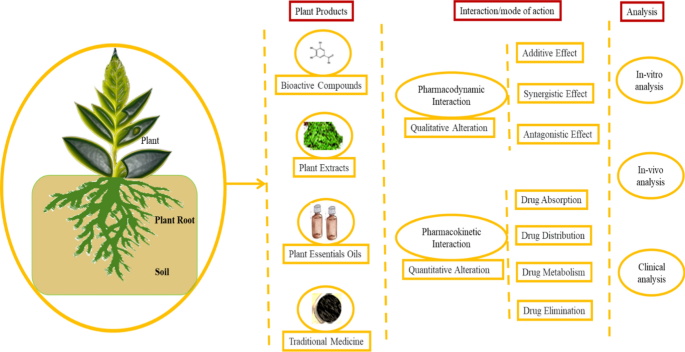
In today’s fast-paced, tech-driven world, health and wellness have become more important than ever. People are no longer satisfied with just treating diseases—they want to prevent them, live longer, and maintain a balanced lifestyle. That’s why traditional medicine systems like Ayurveda, Yoga, Siddha, and Unani are gaining renewed attention alongside modern healthcare.
In 2025, the global wellness industry is booming, and India is at the heart of it. From yoga retreats to Ayurveda-based skincare, from herbal remedies to mindful meditation, traditional medicine is merging beautifully with modern science to create holistic health solutions.
This blog explores the rise of health, wellness, and traditional medicine in 2025, their benefits, practical applications, and how you can integrate them into your lifestyle.
Health, Wellness & Traditional Medicine in 2025
Health is no longer defined as the absence of illness. The World Health Organization (WHO) emphasizes physical, mental, and social well-being as the foundation of health.
In 2025, holistic health focuses on:
- Prevention over cure – strengthening immunity before falling ill.
- Mind-body balance – mental health is treated on par with physical health.
- Personalized wellness – customized diets, fitness, and treatments.
- Integration of modern and traditional practices – blending the best of both worlds
Wellness Trends Shaping 2025

1. Yoga & Mindfulness Practices
Yoga continues to be one of India’s greatest gifts to the world. In 2025, millions practice yoga daily for flexibility, stress relief, and inner peace. Apps and virtual yoga classes make it accessible globally.
- Power Yoga for fitness.
- Pranayama for respiratory health.
- Meditation apps integrating AI for guided relaxation.
2. Ayurveda – Ancient Wisdom, Modern Use
Ayurveda emphasizes balance in the body’s three doshas—Vata, Pitta, and Kapha. In 2025, Ayurveda is widely used for:
- Herbal supplements for immunity.
- Ayurvedic skincare with turmeric, neem, and aloe vera.
- Panchakarma detox therapies in wellness resorts.
3. Nutrition & Functional Foods
Wellness is deeply tied to what we eat. Plant-based and millet-rich diets are gaining popularity in India. Functional foods like probiotics, herbal teas, and vitamin-enriched snacks are booming.
4. Mental Health & Emotional Wellness
Stress, anxiety, and depression are global challenges. In 2025:
- Mindfulness meditation is part of daily routines.
- Schools teach emotional intelligence.
- Ayurveda and Yoga are used as complementary therapies for stress management.
5. Fitness Beyond Gyms
Instead of only gyms, people prefer holistic fitness:
- Outdoor activities like hiking, cycling, and swimming.
- Online workout communities.
- Wearable devices tracking sleep, heart rate, and stress.
Traditional Medicine Systems in India
Ayurveda
Originating over 3,000 years ago, Ayurveda focuses on natural remedies and lifestyle balance. Popular treatments include:
- Herbal medicines.
- Oil massages.
- Detox therapies like Panchakarma.
Siddha & Unani
- Siddha Medicine (Tamil Nadu) uses herbs, minerals, and yoga.
- Unani Medicine (influenced by Greek & Persian systems) emphasizes natural healing through diet and herbal remedies.
Homeopathy & Naturopathy
These systems focus on stimulating the body’s self-healing power. Naturopathy encourages diet changes, hydrotherapy, and fasting therapies.
Wellness Tourism in 2025
India has become a global hub for wellness tourism. Tourists visit Kerala, Rishikesh, and Goa for:
- Yoga retreats.
- Ayurvedic spa therapies.
- Meditation camps.
- Detox and rejuvenation programs.
The government supports this industry under the AYUSH Ministry, making India a leading wellness destination.
Integrating Modern Medicine with Tradition
Instead of competing, modern and traditional medicine are now complementary. Hospitals increasingly have Ayush clinics alongside allopathy.
For example:
- Ayurveda for chronic stress + modern psychiatry.
- Yoga for back pain + physiotherapy.
- Herbal medicines for digestion + nutritional counseling.
This integrative approach is proving more effective for lifestyle diseases like diabetes, hypertension, and obesity.
Practical Tips for Daily Wellness
- Start Your Day Mindfully – Begin with yoga, meditation, or breathing exercises.
- Eat Seasonal Foods – Choose local fruits, vegetables, and whole grains.
- Stay Hydrated Naturally – Drink water from copper vessels, herbal teas, and coconut water.
- Digital Detox – Take breaks from screens for mental health.
- Use Natural Remedies – Turmeric milk for immunity, tulsi tea for colds.
- Practice Gratitude – Journaling and mindfulness reduce stress.
- Stay Active – Walk, cycle, or do household chores to keep moving.
The Future of Health & Wellness
By 2030, wellness will be fully integrated into daily life. AI and wearable technology will personalize health routines. Traditional medicine will see scientific validation and global recognition. Preventive healthcare will be the norm, reducing hospital visits and medical costs.
India, with its rich heritage, is poised to lead the world in holistic wellness solutions.
Final Thoughts
Health and wellness in 2025 are about balance—between body and mind, tradition and modernity, science and spirituality. Traditional medicine systems like Ayurveda, Yoga, Siddha, and Unani are not just ancient wisdom but practical lifestyle solutions.
By embracing holistic practices, eating mindfully, staying active, and blending modern medical care with traditional healing, we can achieve a healthier, more fulfilling life.