Sustainable & Eco-Friendly Living in 2025 – A Complete Guide for a Greener Future
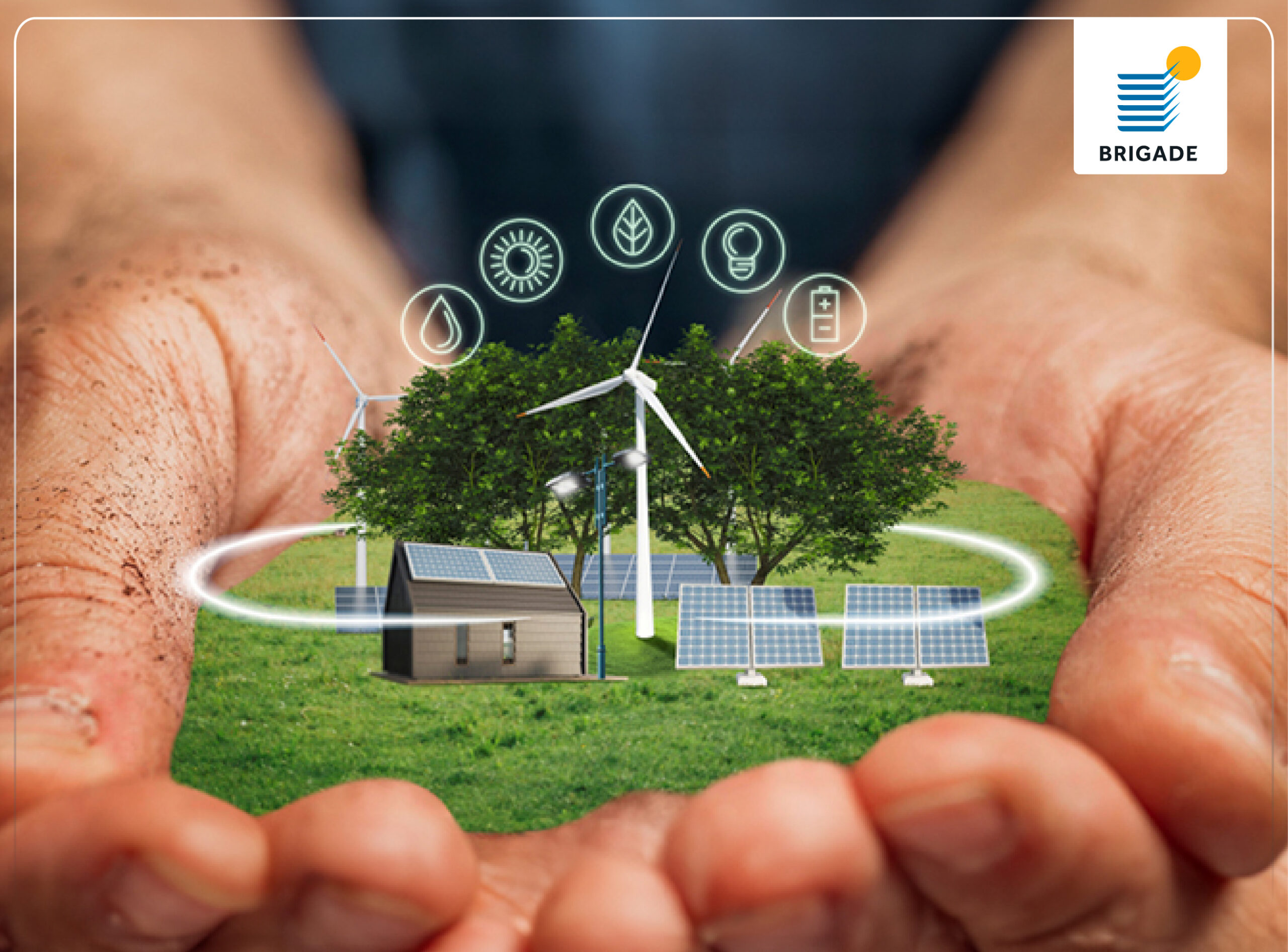
The world is changing rapidly, and so are our lifestyles. Climate change, rising pollution, and overconsumption are forcing us to rethink the way we live. The good news is that sustainable and eco-friendly living is no longer just a trend—it’s becoming a necessity. In 2025, individuals, families, and businesses are actively seeking green alternatives that reduce their carbon footprint while promoting healthier, more balanced lifestyles.
This blog explores the meaning of sustainable living, the latest eco-friendly trends, practical tips for daily life, and how India is playing a major role in the global green movement.
Sustainable living means making lifestyle choices that reduce harm to the environment, conserve resources, and ensure a better quality of life for future generations. Eco-friendly living focuses on using products, services, and habits that are gentle on nature.
It’s not about living without comfort—it’s about living smarter by choosing:
- Renewable energy over fossil fuels.
- Natural fabrics over synthetic ones.
- Reusable items over single-use plastics.
- Local, organic food over processed imports.
Sustainable & Eco-Friendly Living in 2025
Why Sustainable Living Matters in 2025
In 2025, we’re facing:
- Climate change impacts – unpredictable monsoons, extreme heat waves, rising sea levels.
- Air and water pollution – especially in cities like Delhi, Mumbai, and Kolkata.
- Plastic waste crisis – India alone generates over 3.5 million tonnes of plastic annually.
- Depleting natural resources – groundwater shortages, deforestation, and biodiversity loss.
Sustainable living helps fight these issues while also improving personal health, saving money, and building stronger communities.
Practical Ways to Live Sustainably
1. Sustainable Homes & Green Architecture
- Install solar panels to reduce electricity bills.
- Use rainwater harvesting and greywater recycling.
- Opt for bamboo, jute, or recycled wood furniture instead of plastic or chemically treated wood.
- Adopt LED lighting and energy-efficient appliances.
2 Eco-Friendly Fashion & Lifestyle
Fast fashion is one of the world’s biggest polluters. Switching to slow fashion means choosing quality, timeless pieces that last longer.
- Support brands using organic cotton, hemp, and bamboo fabrics.
- Buy fewer but better clothes.
- Try thrift stores and second-hand fashion.
- Embrace DIY upcycling – turn old sarees into kurtis or cushion covers.
3. Sustainable Food Habits
Food production contributes heavily to greenhouse gases. Adopting greener food practices is essential.
- Eat more plant-based meals and reduce meat consumption.
- Support local farmers’ markets instead of imported produce.
- Store food in steel, glass, or cloth bags instead of plastic.
- Cook in bulk to avoid food wastage
4. Waste Management & Recycling
Proper waste management is key to sustainable living.
- Segregate wet and dry waste at home.
- Compost kitchen scraps into organic fertilizer.
- Recycle e-waste responsibly through certified collectors.
- Say no to single-use plastics—carry your own bottle, cutlery, and shopping bag.
5. Eco-Friendly Travel
Travel contributes significantly to carbon emissions. Sustainable tourism is now gaining popularity in India and abroad.
- Choose public transport, cycling, or EVs over petrol vehicles.
- Stay in eco-resorts, homestays, or green-certified hotels.
- Respect local culture and nature—avoid littering or overusing resources.
- Offset your carbon footprint by planting trees or supporting green projects.
6. Water Conservation
India faces a serious water crisis. Sustainable practices include:
- Fixing leaks and installing low-flow taps.
- Reusing RO filter wastewater for cleaning.
- Collecting rainwater in tanks for non-drinking purposes.
- Using eco-friendly detergents to prevent water pollution.
7. Digital & Green Work Habits
With remote work becoming common, even digital habits matter.
- Reduce unnecessary printing.
- Use cloud storage instead of external hard drives.
- Switch off devices when not in use.
- Support carbon-neutral tech companies.
Latest Eco-Friendly Trends in 2025
🌿 1. The Rise of Plant-Based Alternatives
From oat milk to jackfruit meat, Indians are experimenting with healthier, climate-friendly diets. Urban cafes now offer vegan menus, while supermarkets stock plant-based snacks.
♻️ 2. Circular Economy & Zero-Waste Lifestyle
Brands are moving toward reusable packaging. Companies like Hindustan Unilever and ITC are piloting refill stations for detergents and shampoos. Zero-waste stores are slowly growing in Indian cities.
🚗 3. Electric Vehicles (EVs) & Shared Mobility
India is pushing EV adoption with subsidies and charging infrastructure. Car-pooling apps and e-scooters are helping reduce urban congestion and emissions.
4. Green Workspaces & Offices
Corporates are building LEED-certified offices, using natural light, indoor plants, and renewable energy. Employees are encouraged to follow paperless systems.
🧘 5. Wellness + Sustainability
Yoga retreats, eco-friendly resorts, and Ayurveda centers are integrating sustainability into wellness tourism. “Mindful living” is now about both mental health and eco health.
India’s Role in the Sustainable Living Movement
India, with its vast population, plays a crucial role in the global green shift.
- Government Initiatives: Swachh Bharat Abhiyan, Jal Shakti Mission, EV subsidies, and bans on single-use plastic.
- Community Movements: Youth groups promoting zero waste, NGOs working on river cleaning, and local eco-clubs.
- Traditional Wisdom: Indian culture already supports sustainable practices—like using clay pots, herbal medicines, and celebrating festivals with natural décor.

Tips for Starting Your Eco-Friendly Journey
- Start small—carry a cloth bag, switch to a bamboo toothbrush.
- Educate family and friends about simple changes.
- Support local artisans and farmers instead of mass-produced goods.
- Track your carbon footprint using apps like JouleBug or Oroeco.
The Future of Sustainable Living
By 2030, experts predict that eco-friendly living will become mainstream, not optional. Smart homes will run on renewable energy, cities will adopt green infrastructure, and more businesses will commit to net-zero goals.
Artificial Intelligence (AI) and IoT will help track energy usage, optimize waste management, and reduce resource wastage. In India, rural innovation combined with urban eco-tech could make the country a leader in sustainability.
Final Thoughts
Sustainable and eco-friendly living is not about giving up comfort—it’s about making wiser choices. From the clothes we wear to the food we eat, from the way we travel to the way we celebrate festivals, every decision impacts the planet.
In 2025, the path forward is clear: a greener lifestyle means a better future. Whether you are a student, homemaker, entrepreneur, or professional, you can make a difference. Start with small steps, inspire others, and together we can create a cleaner, healthier, and more sustainable India.




1 thought on “Sustainable & Eco-Friendly Living in 2025 – A Complete Guide for a Greener Future”
Comments are closed.